
Drain Field Failure: The Early Warning Signs Littleton Homeowners Miss
Drain fields rarely fail overnight. They decline in stages — and the early stages are easy to miss if you don't know what you're looking at.
📞 Call (303) 632-0124

The drain field — the network of perforated pipes in shallow trenches where your tank's liquid effluent finishes its treatment in the soil — is the hardest-working and least visible part of your septic system. It's also the most expensive to replace. The good news: fields almost never fail all at once. They decline in stages, and each stage announces itself. The trick is knowing what you're looking at.
Sign 1: Grass That's Suspiciously Happy
A drain field that's working normally is invisible in the lawn. When one strip turns noticeably lusher and greener than everything around it — especially in dry weather — the field is likely receiving more effluent than the soil can process, and the grass is feeding on it. It's the gentlest warning you'll get.
Sign 2: Ground That Stays Wet
Soggy patches, standing water after dry days, or soil over the field that feels spongy underfoot mean effluent is rising instead of absorbing. In Littleton's clay soils, which already drain slowly, this sign deserves prompt attention — clay fields have less recovery margin than sandy ones.
Sign 3: Odors Near the Field
Sewage smells lingering around the drain field area indicate effluent reaching the surface or venting where it shouldn't. A healthy field is odorless at ground level.
Sign 4: The House Starts Complaining
Slow drains throughout the home, gurgling plumbing, and — in advanced cases — backups at the lowest fixtures can all trace back to a field that can no longer accept water. By this stage the field is struggling, but it may still be recoverable.
What Causes a Field to Fail
- Solids overload: years of skipped pumping let sludge and scum escape the tank and clog the field's soil — the single most common cause, and the most preventable.
- Hydraulic overload: too much water too fast — big laundry days, leaking fixtures, hot tubs drained into the system — saturates the field faster than it can recover.
- Roots and damage: tree roots invading lines, vehicles driving over the field, or construction crushing pipes.
- Age: even a well-kept field has a lifespan, though good maintenance stretches it dramatically.
Can a Failing Field Be Saved?
Often, yes — especially when the problem is caught early. Resting the field, pumping the tank, fixing water overloads, and targeted drain field repair can restore function in many cases. Fields that have been surfacing effluent for seasons are harder to rescue. The dividing line is time, which is why the early signs matter so much. Already past the early stage? Work through our drain field failure symptoms checklist to match what you're seeing now with what it usually means.
If any of this sounds like your yard, don't wait for sign number four. Call (303) 632-0124 and we'll evaluate the field honestly — including telling you when simple maintenance is all it needs.
Quick Questions
No. Sogginess has several causes — an overdue pumping, a water overload, a broken line — and several of them are repairable. A proper evaluation comes before any conclusion.
With regular pumping and sensible water use, fields commonly serve for decades. Neglected fields can fail far sooner. Maintenance is the biggest variable you control.
Reduce it significantly — spread out laundry, fix leaks, and avoid draining large volumes like hot tubs into the system — then call (303) 632-0124 for an evaluation.
More Septic Guides
How Often Should You Pump Your Septic Tank in Colorado?
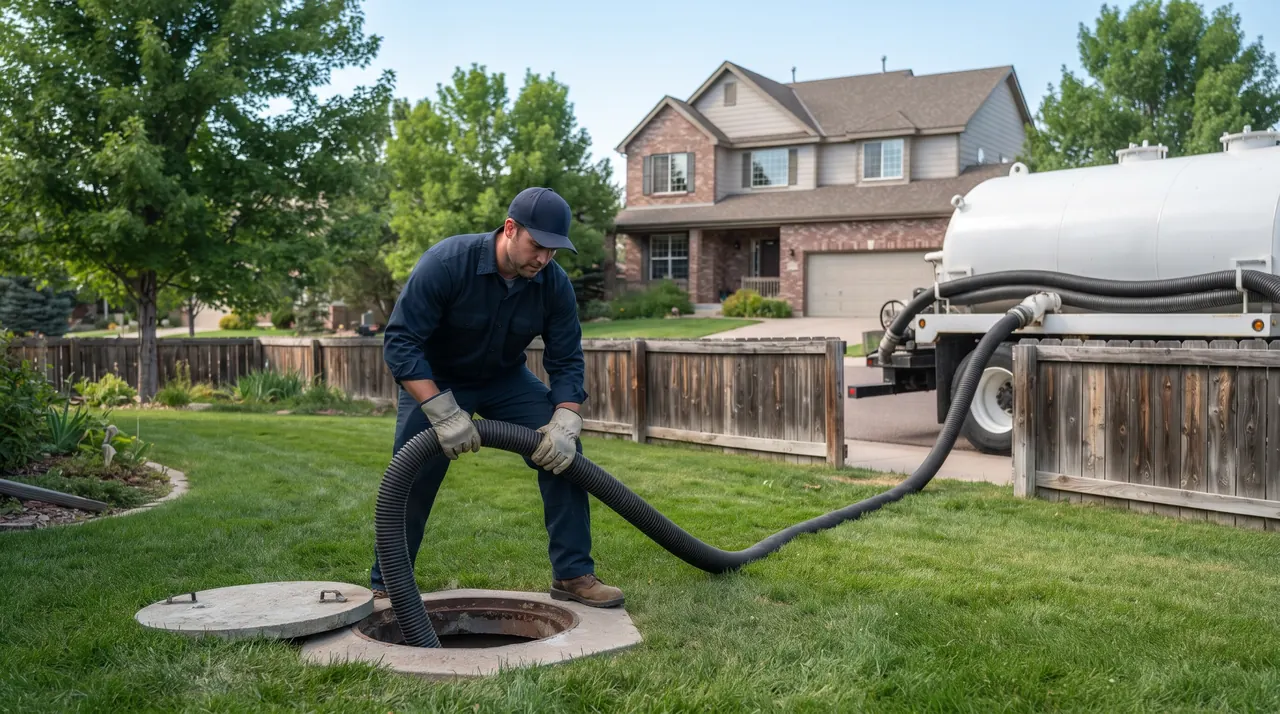
The 3-to-5-year rule is a starting point, not an answer. Here's how household size, tank size, garbage disposals, and Colorado clay soil set your real schedule.
Read the guide →
7 Septic Emergency Warning Signs You Should Never Ignore
A septic system almost always warns you before it fails. These are the seven warnings that mean 'call today,' and the first steps to take.
Read the guide →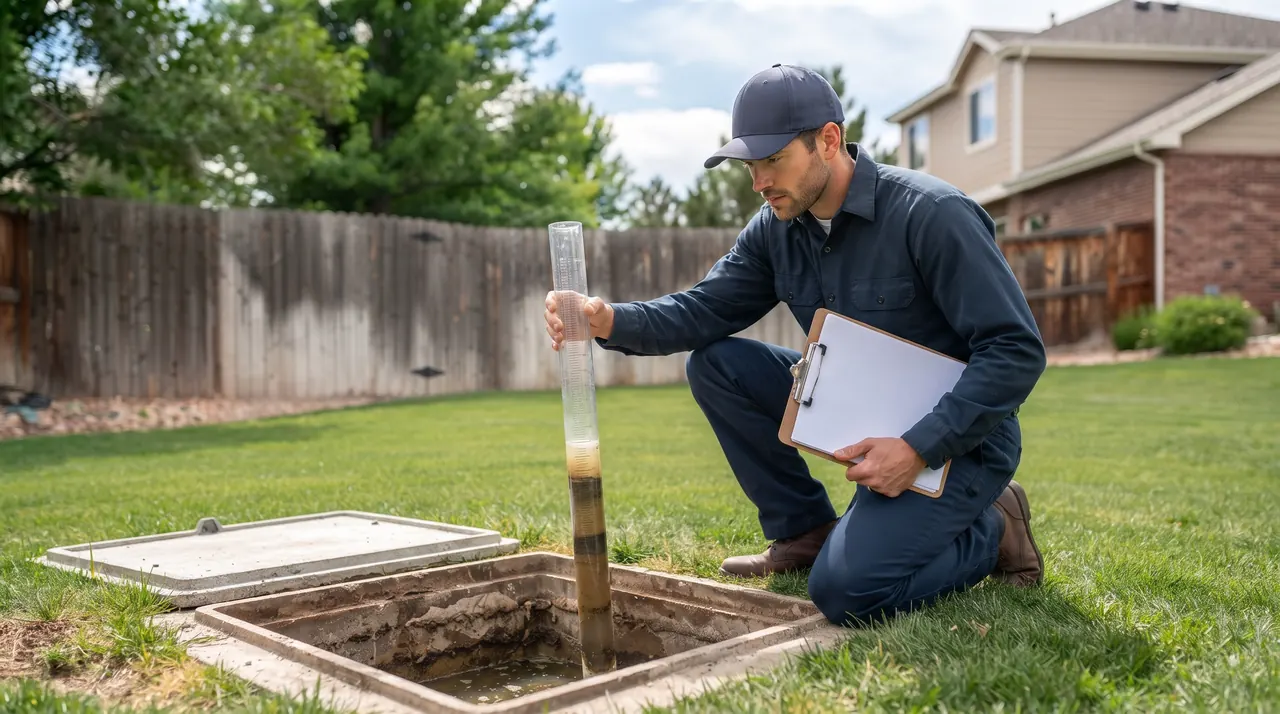
Selling a Home With a Septic System in Colorado? The OWTS Transfer Inspection, Explained
A septic system can surprise a closing if nobody looks at it in time. How the transfer inspection works, what it covers, and when to schedule it.
Read the guide →Our Septic Services
Pumping, inspections, repairs, installations and more across Littleton and the south metro.
See all services →